
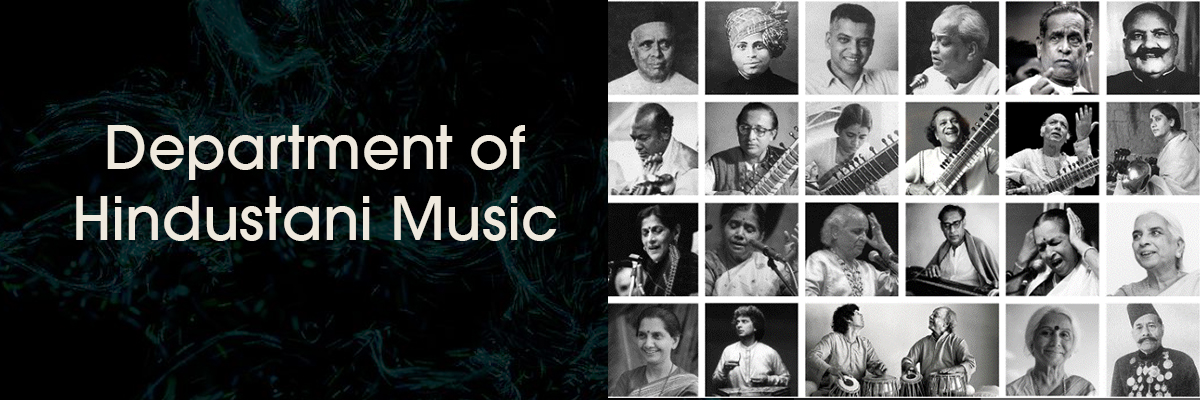
 Hindustani classical music is one of the world’s most ancient and sophisticated traditions, embodying centuries of cultural and artistic thought. Rooted in the Vedic chants of the Sama Veda and codified in texts like the Natya Shastra and Sangitaratnakara, it evolved distinctly in North India around the 13th century. This was shaped by the cultural exchanges of the Delhi Sultanate and Mughal courts, where Persian and Sufi influences enriched the ancient melodic and poetic dimensions. Later, scholar- musicians like Vishnu Narayan Bhatkhande and Vishnu Digambar Paluskar systematized the pedagogy and made the tradition accessible to students and institutions.
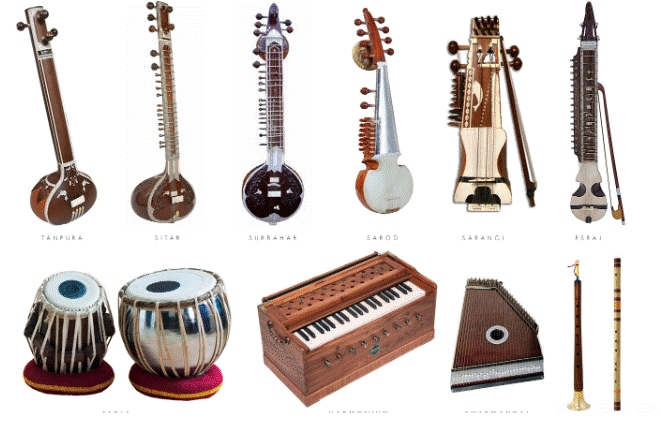
At its core, Hindustani music is built upon the Raga and Tala system, where Ragas provide melodic frameworks and Talas establish rhythmic cycles. Performances involve slow, improvisational exploration of the raga, before moving into structured compositions. This improvisational spirit gives Hindustani music its expressive depth. The soundscape is enriched by instruments such as the Sitar, Sarod, Sarangi, Tabla, Pakhavaj, Shehnai, and Tanpura, each contributing to the layered texture of melody, rhythm, and drone.
The tradition is sustained through gharanas or schools of music, each with its own stylistic identity. The Gwalior gharana emphasizes clarity and structure, the Kirana gharana is renowned for its meditative Raga development, while the Patiala and Agra gharanas highlight intricate Taans and Dhrupad influences. These lineages, passed down through the guru–shishya parampara, preserve the nuances of interpretation and pedagogy across generations.
At Aria University, the study of Hindustani music not only involves deep knowledge of the Raga system but also includes a sound study of its historical development, compositional forms, improvisation, musicology, and cultural contexts through a curriculum that integrates rigorous academic inquiry with intensive practical training. Guided by distinguished faculty and accomplished performers, they develop the skills to become artists, educators, researchers, and cultural ambassadors.
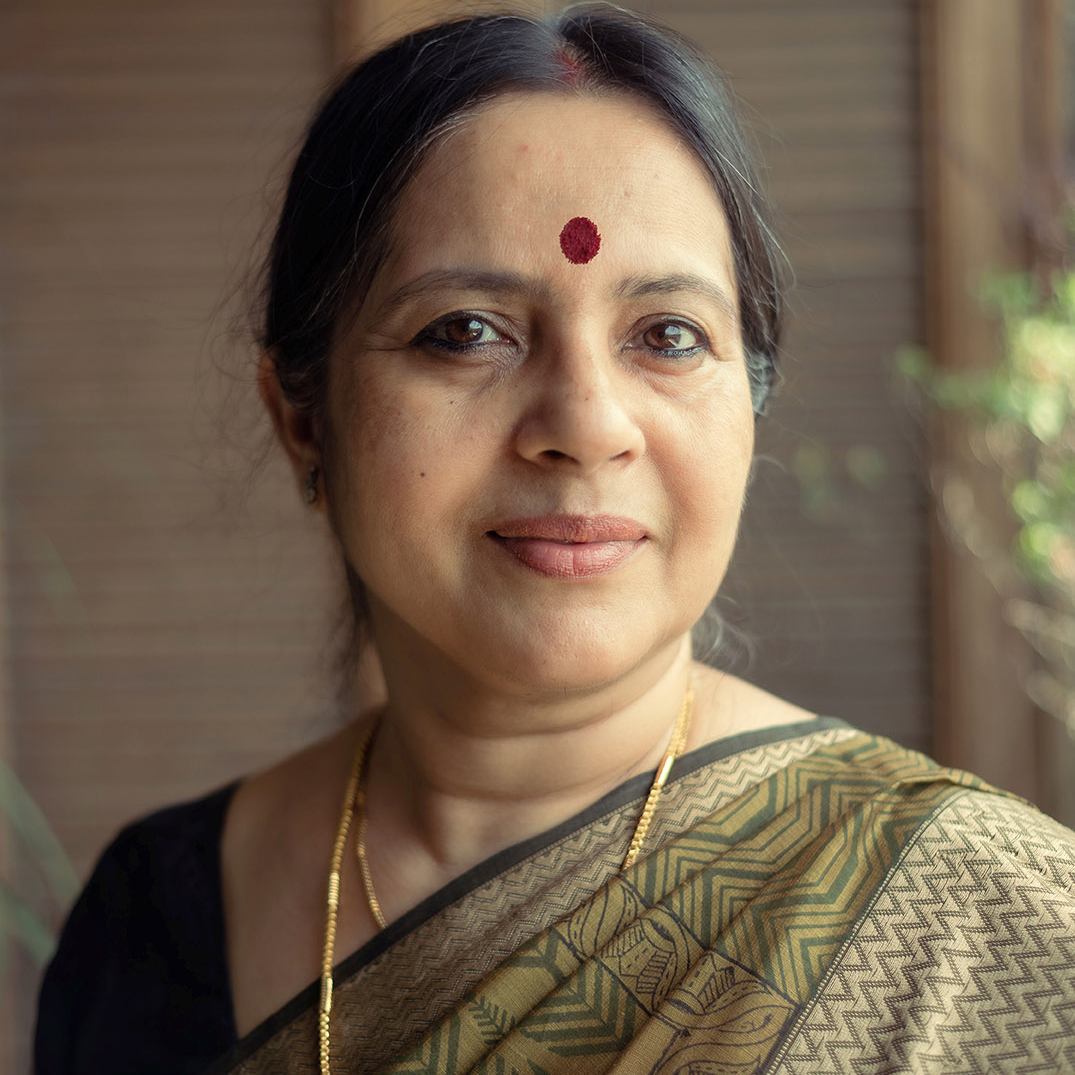
Subhadra Desai, Ph.D.
Chair, Department of Hindustani Music