
Bharatanatyam recognized as one of the country’s premier and foundational classical dance traditions around 1947, in independent India, is most celebrated among performing arts traditions. Known for its grace, precision, and expressive depth, it has evolved into a globally respected art form while preserving its deep connections to India’s cultural, philosophical, and spiritual heritage. Primarily performed as a solo dance tradition, Bharatanatyam continues to reflect centuries of artistic excellence and cultural continuity.
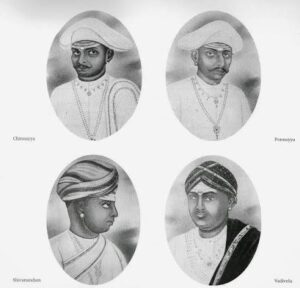
Its origins lie in the temple and court traditions of South India. The dance evolved from the Nirupana style practiced in the Tanjore palace and the Sadir tradition performed by hereditary dancers in temples. A significant milestone in its development was the codification of the Margam format by the renowned Tanjore Quartet. This structured sequence of performance items remains the foundation of Bharatanatyam repertoire, training, and presentation.
The history of Bharatanatyam is closely linked to India’s social and political transformations. During the anti-nautch movement of the late nineteenth and early twentieth centuries, the dance faced criticism and decline. However, through cultural revival efforts, it emerged with a renewed identity under the name “Bharatanatyam.” This transition transformed it from a practice associated with the devadasi tradition into a respected symbol of India’s cultural heritage and national pride.
Bharatanatyam draws its richness from multiple influences, including temple rituals, the Bhakti movement, classical treatises, and the refined aesthetics of South Indian courts. It embodies the enduring Guru–Shishya Parampara, through which knowledge is transmitted across generations. The form is further enriched by diverse Banis or stylistic schools developed by eminent masters across Tamil Nadu, Karnataka, Maharashtra, and other regions, each contributing distinctive approaches to performance and pedagogy.
The art form is distinguished by its sophisticated musical structure, intricate compositions, expressive storytelling, and adaptability. These qualities have enabled Bharatanatyam to flourish not only as a performance tradition but also as a field of academic study. Scholars and practitioners continue to explore its connections to aesthetics, spirituality, identity, and cultural memory.
In contemporary times, Bharatanatyam has expanded beyond the traditional solo Margam format to include thematic productions, group presentations, and interdisciplinary collaborations. Artists engage with contemporary ideas and diverse literary sources while remaining rooted in classical principles. This balance between tradition and innovation has ensured its relevance in a changing world.
Today, Bharatanatyam stands as a living heritage that bridges the past and present. From temples and royal courts to global stages and academic institutions, its journey reflects resilience, adaptability, and artistic vitality. Institutions such as Aria University encourage deeper engagement with this tradition by integrating Śāstra (theory), Prayoga (practice), and Anusandhāna (research). Through such holistic approaches, Bharatanatyam continues to inspire artists, scholars, and learners, ensuring its enduring legacy for future generations.
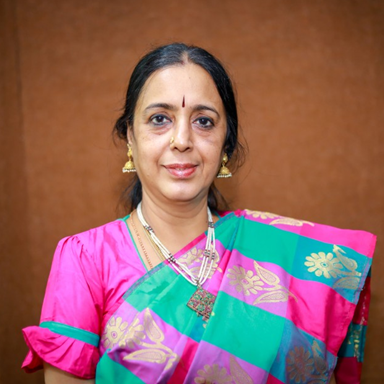
Dr. Sujatha Mohan
Asst. Professor, Department of Bharatanatyam
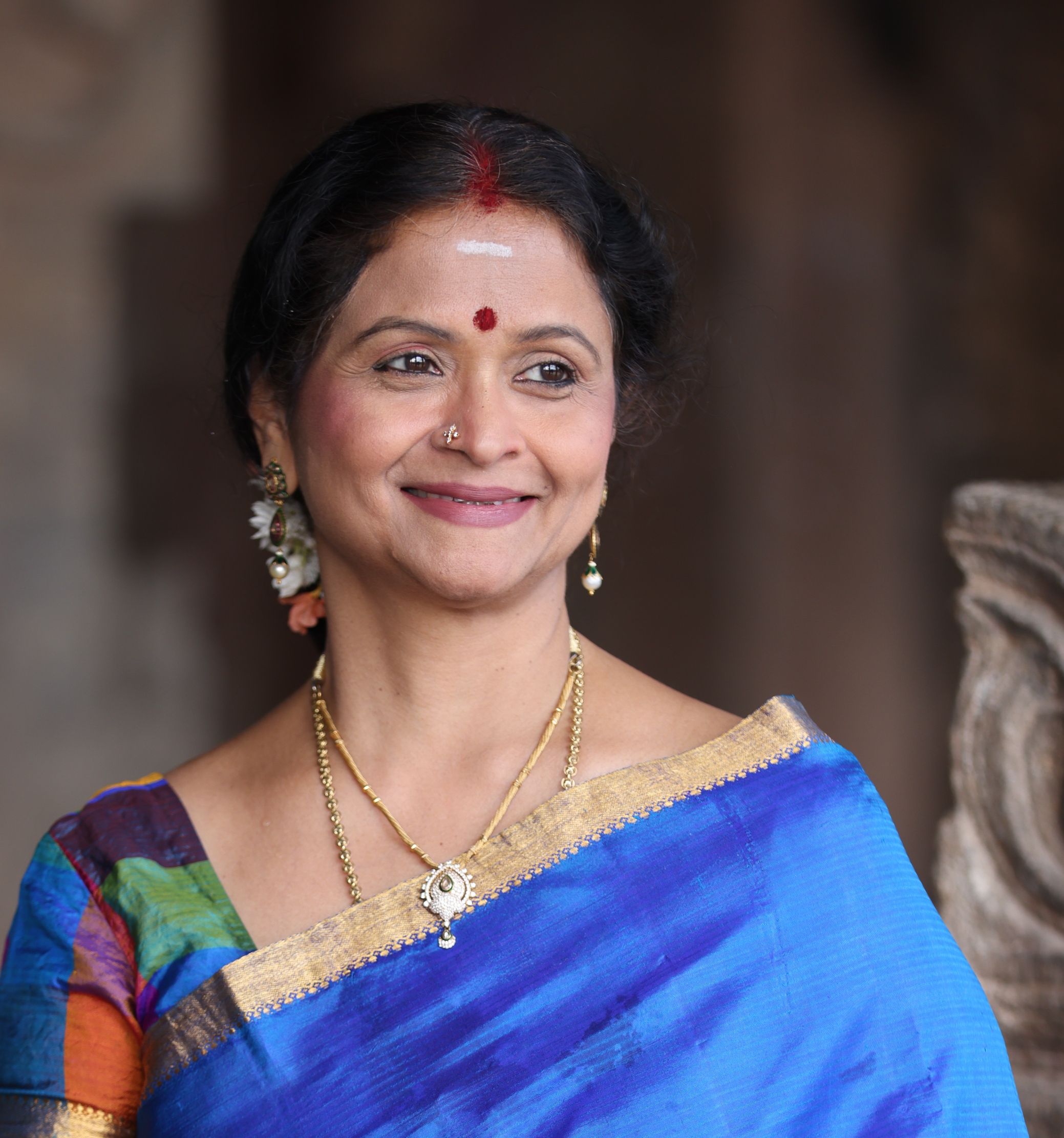
Dr. Padmaja Suresh
Assistant Professor, Department of Bharatanatyam
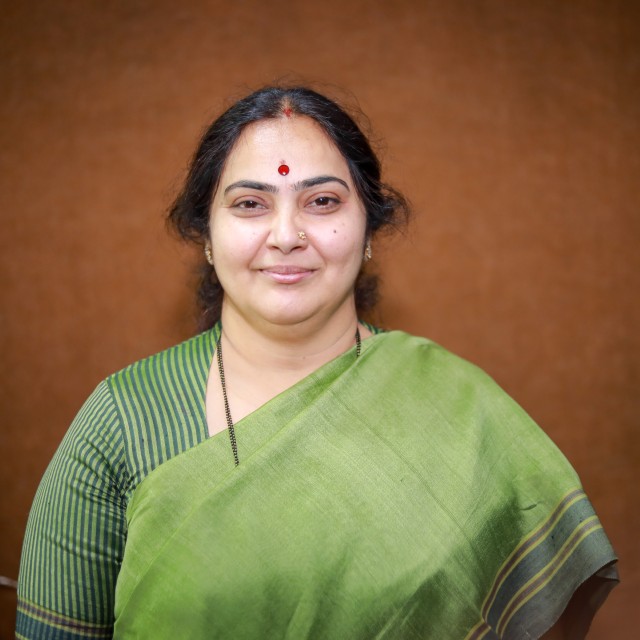
Karuna Vijayendra
Chair, Department of Bharatanatyam
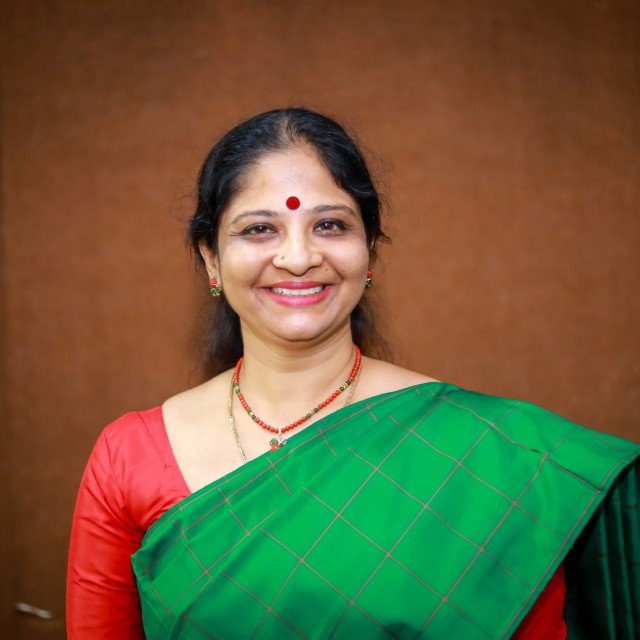
Anuradha Ramesh
Lecturer, Department of Bharatanatyam